

I recently watched the movie, Young George Washington, and one scene completely changed how I think about leadership.
Imagine, for a moment, you’re with him on his first high-risk mission to confront a large French army occupying the Ohio Valley.
It’s October 31, 1753.
He’s only 21 years old.
Snow crunches beneath your boots as George Washington leaves Williamsburg.
Thirty-five days later, he arrives and finds French soldiers en masse occupying and building forts.
The risks were extraordinary.
- Only a handful of companions.
- Deep in French-controlled territory.
- Make an ultimatum with no armed support.
- No guarantee of diplomatic immunity.
- Winter wilderness with frozen rivers.
- Depend on Native allies with shaky loyalties.
- No room for the smallest error
It was a mission requiring remarkable courage, composure, and judgment.
What happens next reveals some of the greatest leadership lessons of George Washington’s life.
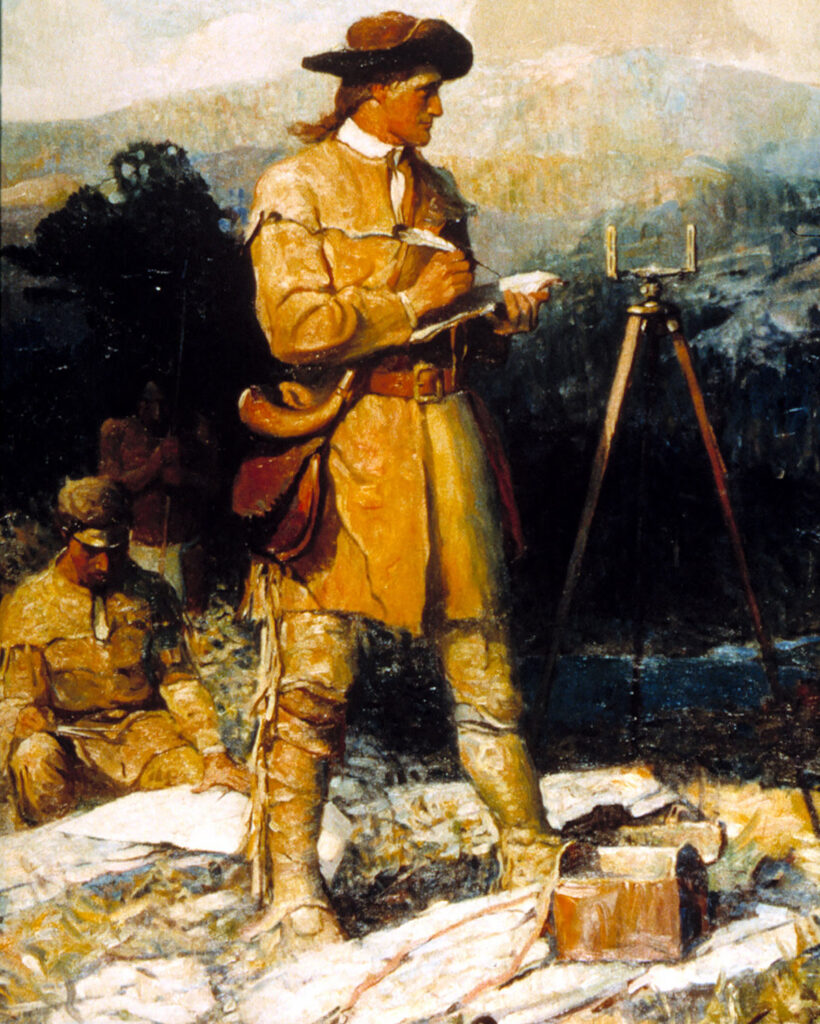
1. Control the controllable
On the way, Washington senses a need for allies.
The only option. Native Americans.
“The Indians are mercenary—every service of theirs must be purchased—and they are easily offended, being thoroughly sensible of their own importance.”
— The Papers of George Washington, Vol. 5. p. 117
In a looming confrontation with almost no resources, Washington controls the controllable and doesn’t waste time on the uncontrollable.
On November 22, 1753, he met the Mingo tribe on their turf.
He makes friends with the chief, nicknamed the “Half King,” and asks for his help.
The chief wants him to linger for a ceremonial wampum.
“When I found them so pressing in their request…I consented to stay as I believed an offense offered at this crisis might have been attended with greater ill consequence than another day’s delay.”
— The Writings of George Washington, 19, “Journey to the French Commandant”
The alliance worked as the Half King, and some of his warriors journeyed with Washington through “many mires and swamps,” not to mention the pounding freezing rain.
They arrived at the occupied French Fort Le Boeuf on December 11.
Control the controllable.
2. Respond and don’t react
The French commander rejects Washington’s delivered demand letter and tells them to leave.
Of course, the commander got Washington’s Indian allies drunk and forced Washington out with little aid.
So, Washington finds more Indian Guides on the way back.
But he’s so tired, he implores one Indian guide to carry his pack.
Except, one of the new Indians sprints away and shoots at Washington and his other guide, Christopher Gist, from point-blank range.
He missed.
Gist jumps on the Indian guide to kill him, but Washington pleads for the Indian’s life.
At which time, Gist says, “As you will not have him killed, we must get him away, and then we must travel all night.”
— Douglas Southall Freeman. George Washington. Vol. 1, p. 320.
After that, they used a hatchet to build a raft to cross an icy river.
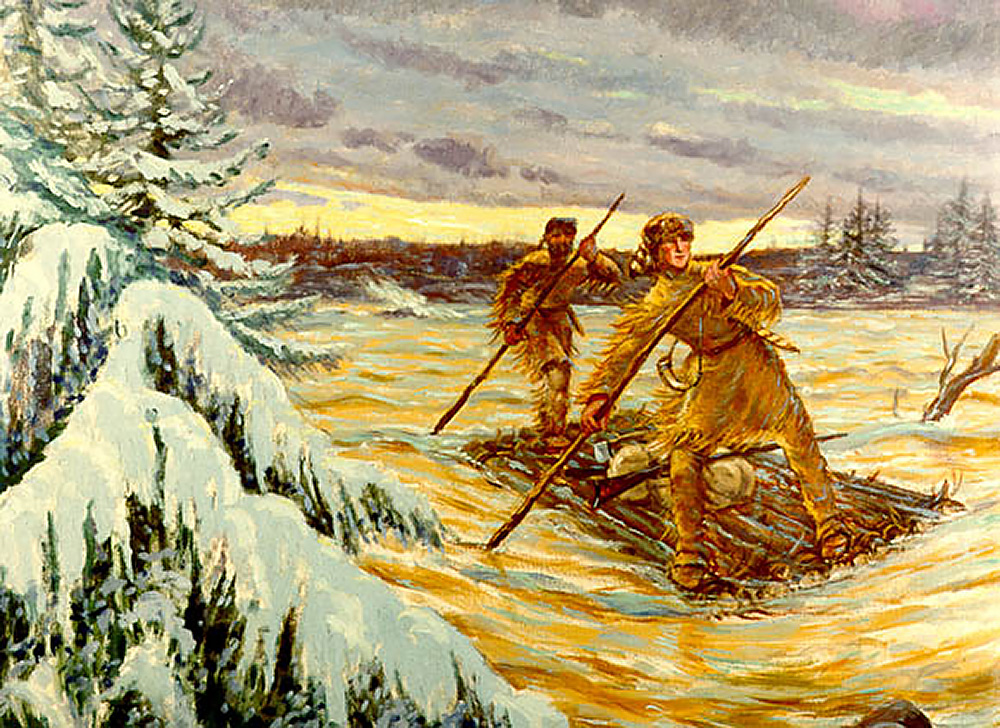
They didn’t make it.
So they froze all night on a tiny island until scrambling across the ice the next morning.
Respond and don’t react.
3. Failure isn’t final if you learn
Young George Washington experienced his first major military failure at age 22 on July 3, 1754.
He marched into the Ohio Valley to confront an 800-man French force with just 300, mostly Virginia militia.
Soon after, he built a fort in the middle of an open field, made fun of by the Half-King as “that little thing upon the meadow.”
The French arrived, and bullets rained down from all directions.
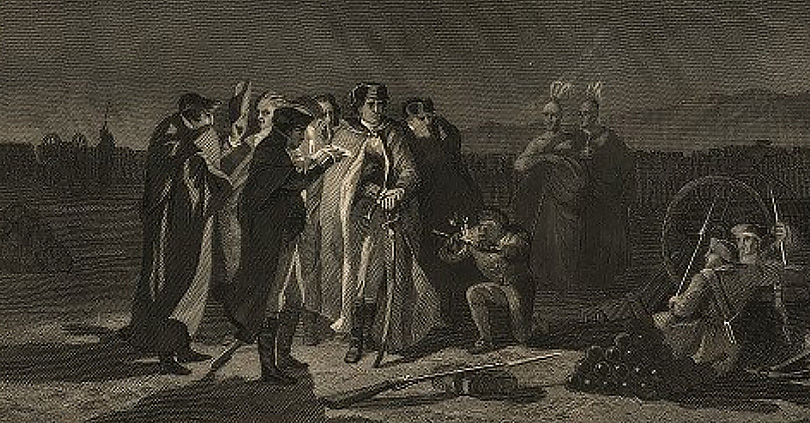
By the time the battle ended, Washington’s force suffered about 100 casualties. 30 killed and 70 wounded. The French and their Native allies lost only three men.
To make matters worse, he botched the surrender terms because he couldn’t read French.
Fort Necessity was the only surrender of his career. It was humiliating.
The lesson?
Failure is never final if you’re willing to learn from it.
More than 270 years later, George Washington’s first campaign still teaches us how to lead.
- Control the controllable.
- Respond and don’t react.
- Learn from your failures.
Those three qualities helped shape a young officer into the leader who would one day become the father of our country.
What are your leadership maxims?
Stories like this are part of the reflections I write about life, resilience, and purpose explored on my About Stephen Blaising page.