

I attended a funeral recently where one thing stood out.
No one appeared to be standing off in a corner.
Everyone mingled with love, unity, and a deep appreciation for the life of this man.
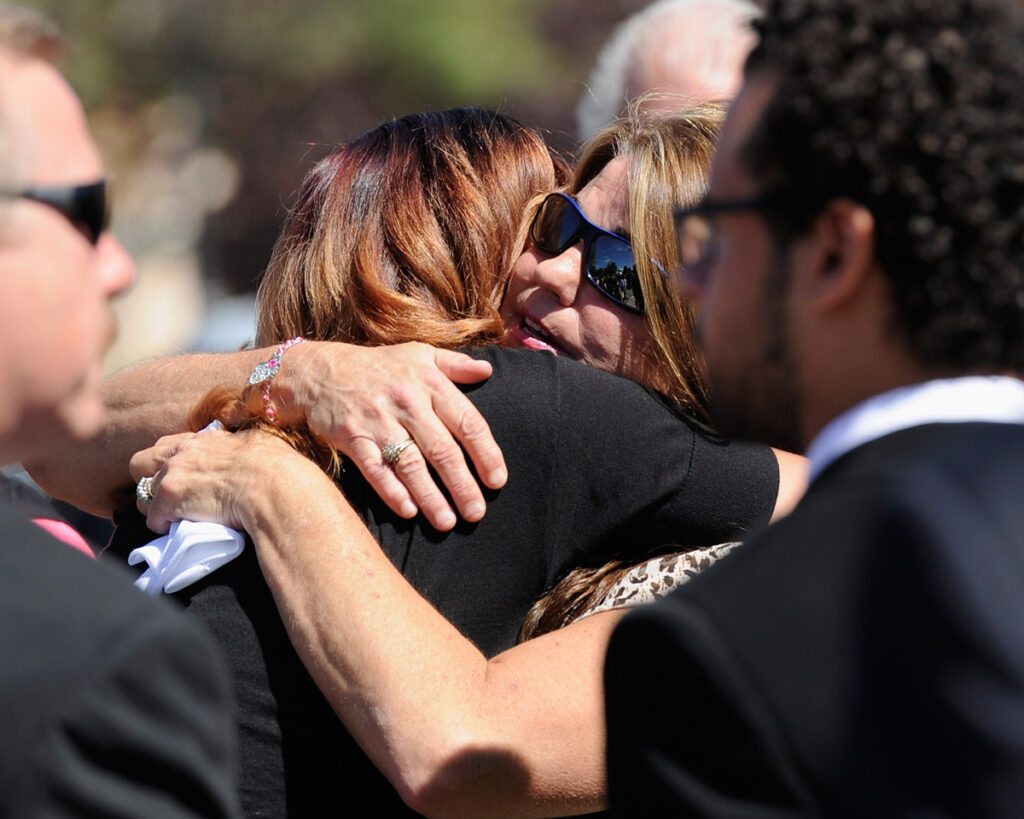
There wasn’t an enemy anywhere.
The man’s son and daughter spoke in glowing terms with admiration and respect.
Is it possible to live a long and happy life, leaving no angry people in your orbit?
Angry Teenage Years
This may be hard if you are currently raising teenagers.
Ever talk to your son or daughter, and they look at you like you fell off a truck?
But the real test comes with the ask.
“Is it OK if six of us load up in so and so’s car and drive to Mississippi for a concert? Our plan is to leave school early on Friday, and we’ll be back by Saturday.”
None of the ensuing conversation goes well.
But all it takes to resolve anger is for one party to overlook the offense.
“A man’s discretion makes him slow to anger, and it is his glory to overlook a transgression.”
— Proverbs 19:11
Overlooking an Offense is not Weakness
It is emotional strength.
It takes restraint to stay gentle when provoked.
It takes maturity to choose peace over winning.
That is why Scripture calls it glory.
Not because it feels good in the moment.
But because it builds something that lasts.
What Forgiveness Looks Like at a Funeral
Back to this funeral, I saw something small but revealing.
Two men stood awkwardly near the aisle.
I remembered they were former business partners.
Once close friends.
Years of silence between them.
One finally stepped forward.
No speech.
No explanation.
Just a quiet handshake that turned into an embrace.
Nothing magical happened.
But something heavy left the room.
That is how forgiveness usually works.
Not loud. Not theatrical.
Just strong enough to break the chain.
Practiced Long Before the Funeral
Funerals don’t create forgiveness.
They reveal whether it was practiced.
The deceased man’s children didn’t speak with warmth by accident.
They grew up watching apology modeled.
They learned what it looks like when a parent absorbs irritation instead of passing it along.
When someone in the home decides, “This stops with me.”
That decision doesn’t just heal a moment.
It shapes a legacy.
What relationships in your life would look different at your funeral if forgiveness became a daily habit now?
Stories like this are part of the reflections I write about life, resilience, and human turning points explored on my About Stephen Blaising page.